Blog: WRT Exam Prep & Water Damage Restoration Guides
Practical tips, exam strategies, and field-tested restoration knowledge from working IICRC technicians.
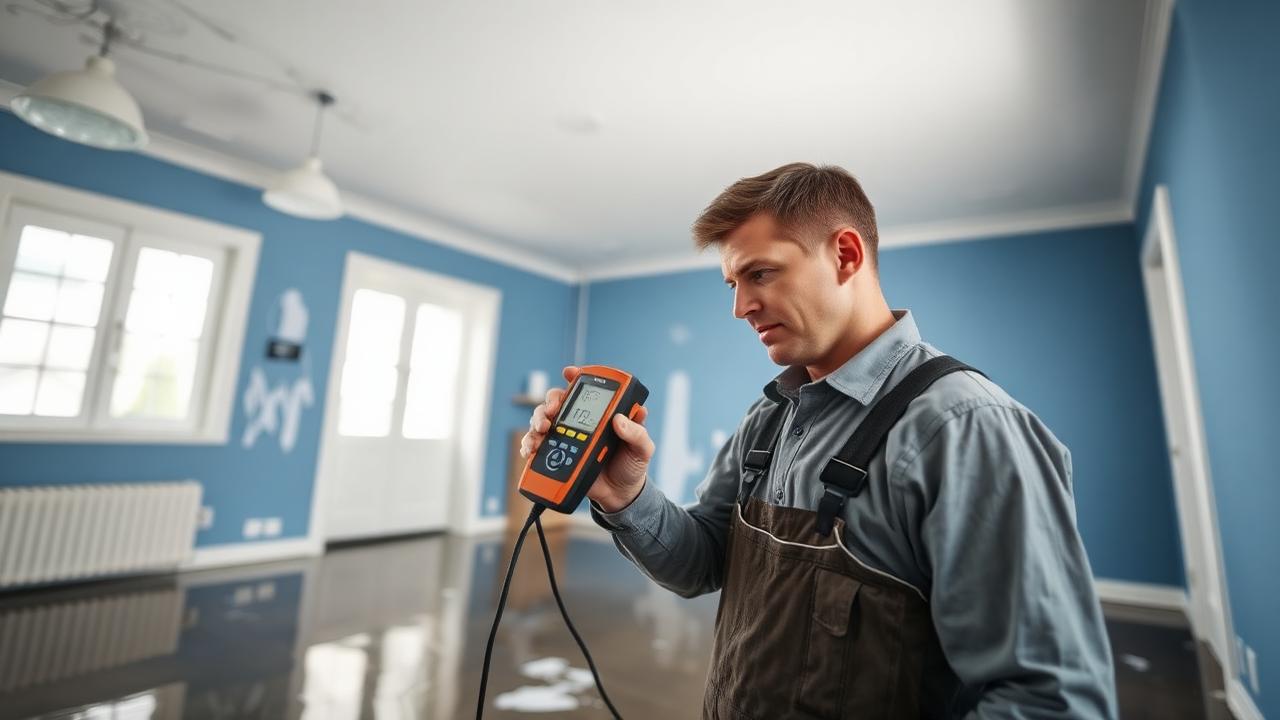
Water Damage Documentation Software: What It Needs to Do
The six records a documentation app has to hold on a water loss — readings with GPP, a moisture map against dry standards, unit-days, dated photos, drying goals and the adjuster's report — how the free templates cover them on paper, and when software earns its place.
The Drying Triangle: Airflow, Humidity and Temperature
Airflow strips saturated air off wet surfaces, dehumidification gives the vapor somewhere to go, and temperature pushes water out of the material. How to read which side is missing on a stalled job.

Can You Get IICRC Certified Online? Livestream and In-Person
Livestream classes are live, scheduled and attended remotely — not self-paced video. Here's what remote attendance covers, what stays hands-on, and how the exam is handled.
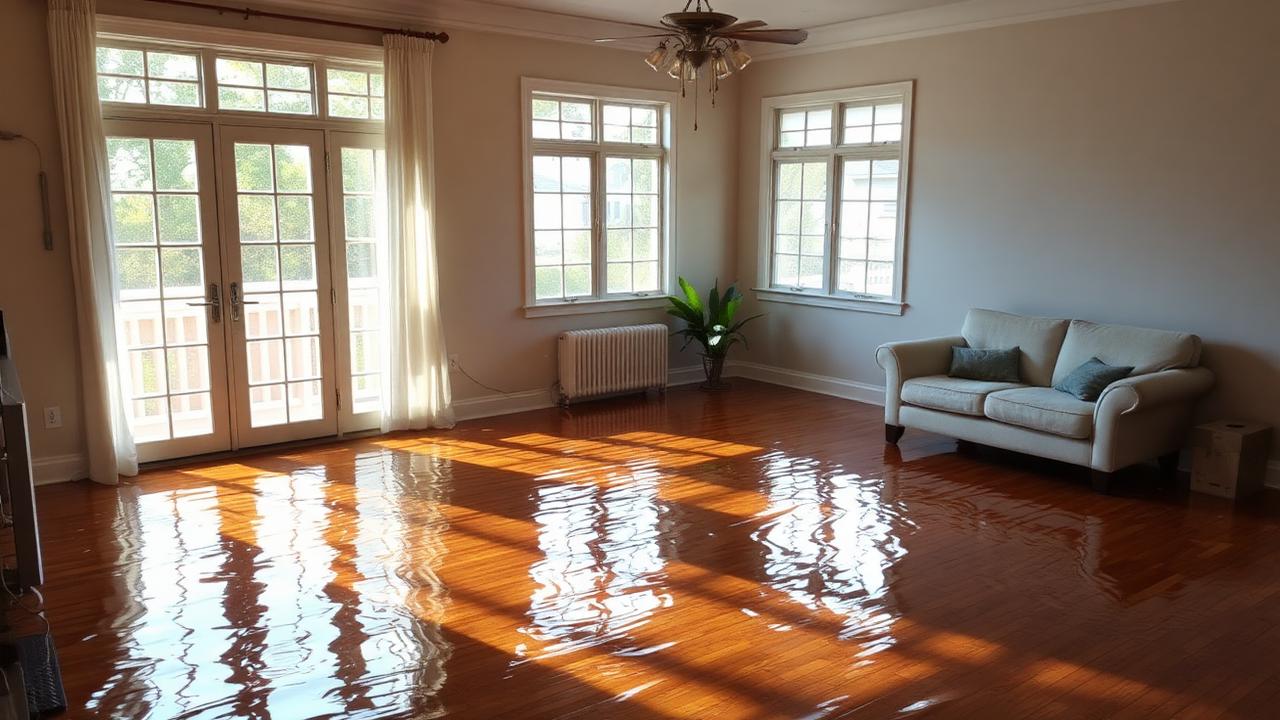
Class 3 Water Damage: What It Means and How It's Dried
Water from overhead soaks ceilings, walls, insulation and flooring at once. Here's how a Class 3 loss is classified, dried, equipped and documented.
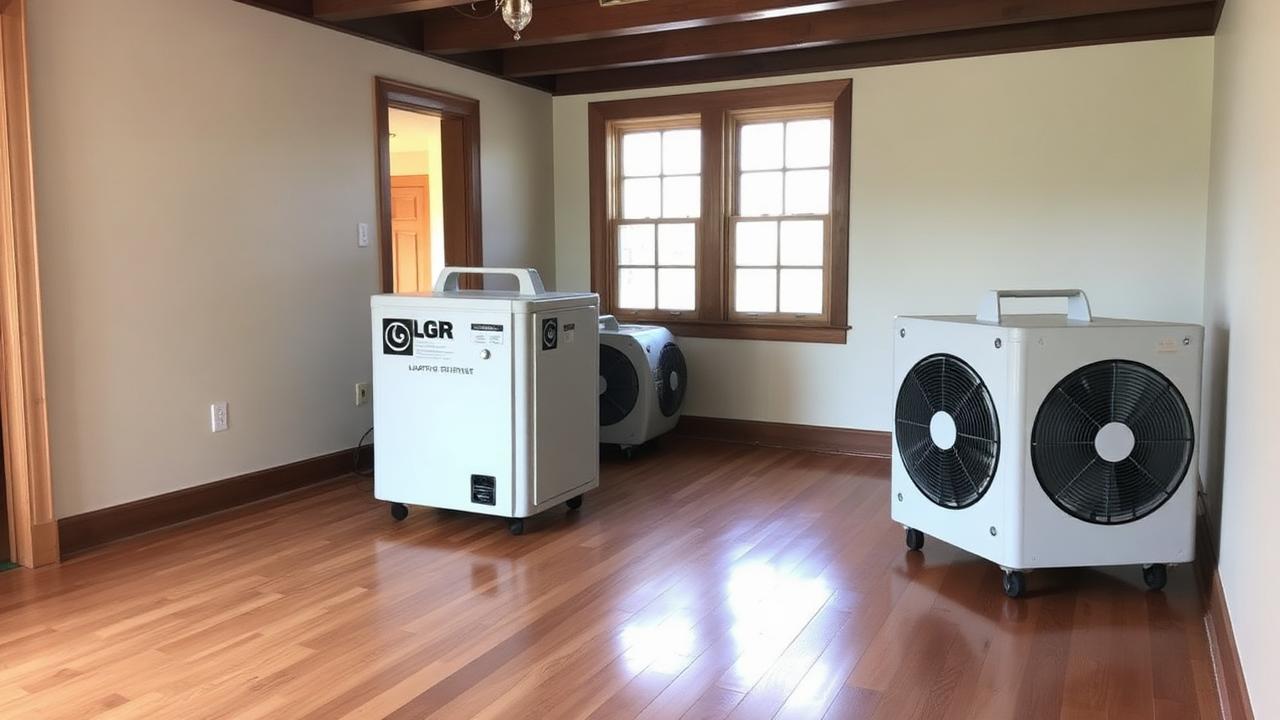
Class 4 Water Damage: Bound Water and Specialty Drying
Hardwood, plaster, concrete and stone hold water tightly. Specialty drying uses very dry air and directed systems — and it takes as long as the material allows.
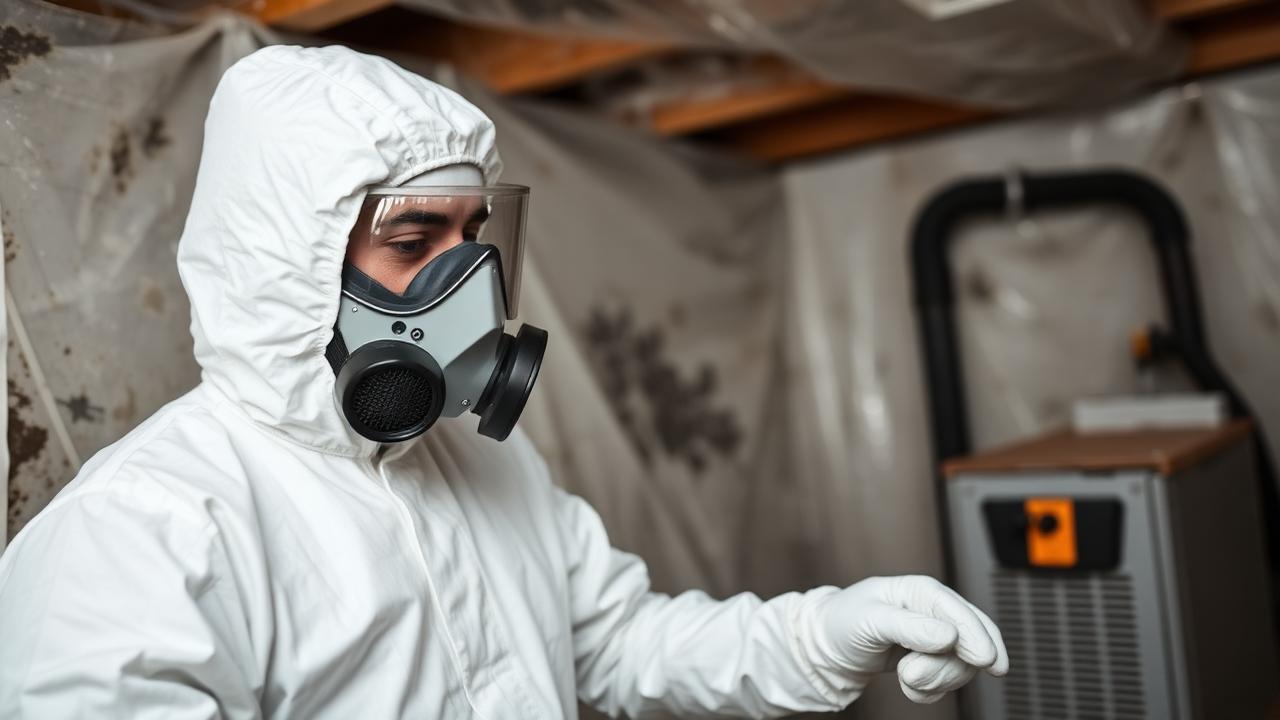
Black Water Damage: Why It's Category 3 and What to Do
Black water is grossly contaminated water. Category drives removal, protection and containment — and drying is the last step, not the first.
How Long Does It Take to Dry Out Water Damage?
Materials, class of loss, equipment and environment set the pace. Here's how to answer the day-one question honestly and how to tell when a job has stalled.
How IICRC Classes Work: Formats, Length and Cost
Schools run the classes, the certifying body runs the exam. Here's how formats, length, tuition and published fees fit together before you book.
Moving From Water to Mold: What Changes Between WRT and AMRT
AMRT is the credential most WRT techs take next. Here's what actually changes on site — containment, engineering controls, PPE, clearance and documentation — when the job stops being a water loss and starts being a mold job.
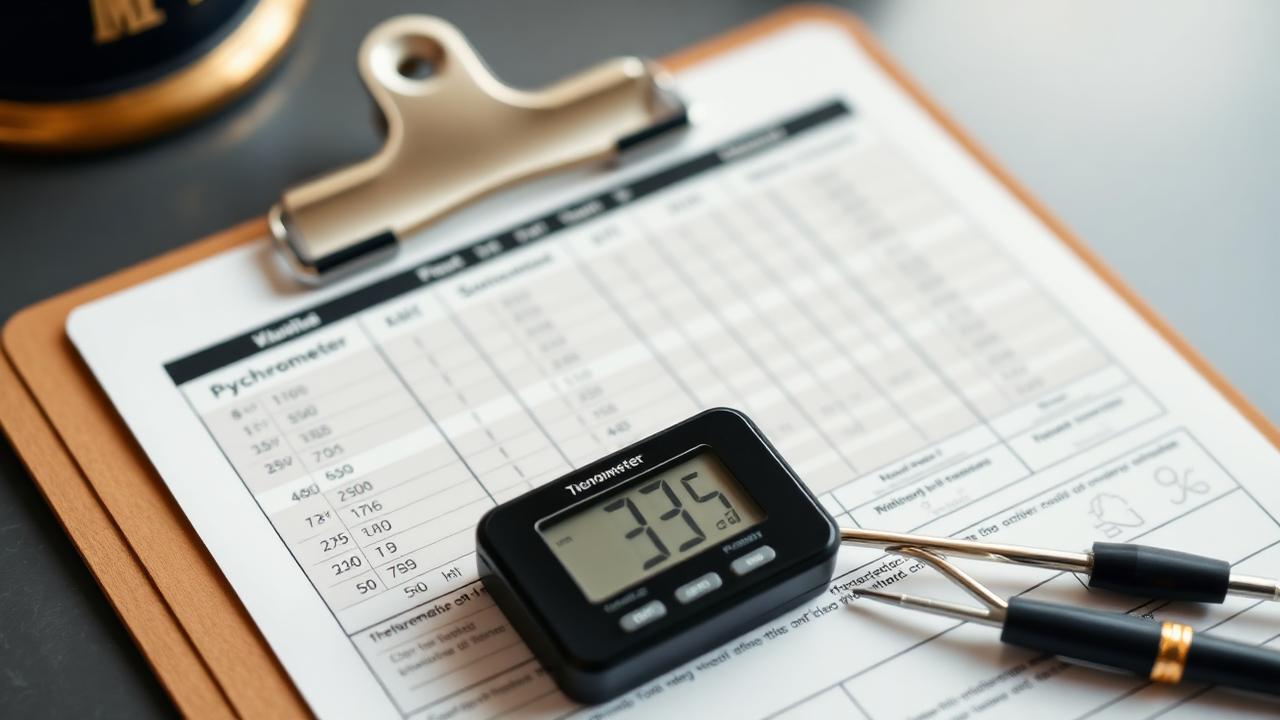
Reading a Psychrometric Chart Step-by-Step (WRT Exam Prep)
The psychrometric chart looks like spaghetti until someone shows you the five lines that matter. Here's a plain-English walkthrough — with the exact plotting moves the WRT exam expects.
Commercial vs. Residential Water Losses: What Changes
Different insured, different rules of engagement, different equipment counts. Here's how commercial jobs diverge from residential from first notice through final invoice.
Contents Pack-Out on a Water Loss: A Field-Tested Checklist
Pack-out is where jobs get won or lost with the customer. Here's the workflow aligned to the ANSI/IICRC S500 — inventory, photo, transport, cleaning tier, storage — that keeps you out of chargebacks.
Water Damage in Crawl Spaces: A Field Playbook
Crawl spaces are where undetected leaks turn into microbial jobs. Here's how to assess, extract, dry, and document a crawl space loss without triggering a Cat 3 escalation.
Thermal Imaging for Water Damage Detection, Minus the Hype
A thermal camera doesn't see moisture — it sees temperature. Understanding the difference is what separates techs who use IR effectively from ones who chase false positives.
Wet Insulation: When to Dry, When to Remove, When to Replace
Fiberglass, cellulose, spray foam, mineral wool — each behaves differently when wet. Here's the decision tree aligned to the ANSI/IICRC S500 for insulation on every category of loss.
Air Mover Placement: Angles, Spacing and Field Adjustments
How many air movers? What angle? How far apart? The S500 gives you a formula, but most techs misapply it. Here's the placement math and the field adjustments that actually work.
Wet Drywall: Restore, Flood-Cut, or Full Removal?
The single most-asked question on residential losses. Here's the S500 framework for choosing between in-place drying, flood cuts, and full removal — with the moisture-meter thresholds each decision hinges on.
Building a Restoration Drying Chamber: Setup and Sizing
When you can't dry a whole structure efficiently, you build a drying chamber. Here's how to size, seal, and equip one that satisfies S500 while cutting your dehu load in half.
Xactimate for Water Damage Restoration: A Beginner's Guide
Xactimate estimates are how you get paid. Here's a straight-talk walkthrough of the WTR line items every water restoration tech should recognize — and the common mistakes that trigger adjuster pushback.
7 Reasons People Fail the WRT Exam (and How to Avoid Them)
The IICRC WRT exam has a well-earned reputation for tripping up experienced techs. These are the seven traps we see most often — and the exact fix for each one.
Pricing a Water Damage Job: What Goes on the Invoice
From equipment day-rates to antimicrobial application, here's how insurance-approved water damage restoration jobs are priced line-by-line in 2026.
Which Restoration Credential Matters More: IICRC or RIA?
IICRC issues WRT, ASD, and AMRT. The RIA (Restoration Industry Association) issues WLS and CR. Here's who cares about each, and which one actually gets you hired.
Drying Hardwood Floors Without Cupping, Crowning or Buckling
Hardwood is the most-claimed sub-category on water losses and the easiest to destroy. Here's the playbook aligned to the ANSI/IICRC S500 for tented drying, mat systems, and knowing when to recommend replacement.
Category 3 Sewage Losses: A Safety-First Playbook
Cat 3 water — sewage backups, storm surge, toilet overflows past the trap — carries pathogens the S500 treats as biohazards. Here's the containment, PPE, extraction, and salvage protocol every WRT tech needs.
How to Set Drying Goals That Actually Get You to Dry
Every S500 job needs a documented drying goal. Here's how to establish a defensible dry standard using unaffected reference readings — and how to log daily progress adjusters won't question.
Best Moisture Meters for Water Damage Restoration in 2026
Pin, pinless, thermo-hygrometer, and thermal imaging — a working restorer's shortlist of the moisture meters worth carrying in 2026, ranked by accuracy, durability, and cost per job.
What Is Psychrometry and Why Does the WRT Exam Test It?
Psychrometry — the science of air and water vapor — is the single most-tested technical topic on the IICRC WRT exam. Learn GPP, RH, dew point, vapor pressure, and how to read a psychrometric chart with confidence.
Which IICRC Cert First: WRT, ASD or AMRT?
Confused about the order of IICRC certifications? Here's an honest comparison of WRT, ASD, and AMRT — what each one covers, who needs which, and the smartest sequence for restoration technicians starting their careers.
How to Study for the WRT Exam in 2 Weeks (Day-by-Day Plan)
A complete 14-day study plan to pass the IICRC WRT exam. Day-by-day topics, practice exam schedule, flashcard cadence, and the exact order to tackle psychrometry, water classes, and S500 documentation.
What the WRT Exam Costs and What's Included
What does the IICRC WRT certification actually cost in 2026? Full breakdown of course fees, exam fees, retakes, renewal costs, and what's included vs. what providers tend to add on later.
How Hard Is the IICRC WRT Exam? Pass Rate Truth
Worried about the WRT exam? Here's an honest breakdown of difficulty, pass rates, the hardest topics, time pressure, and what separates the candidates who pass on the first try from those who don't.
Best WRT Exam Prep Tools: Flashcards, Modules & Mocks
Discover the most effective WRT exam preparation tools — from timed practice exams with instant feedback to spaced-repetition flashcards and study modules aligned to the topics on the WRT exam. See exactly how each tool works and how to use them together for maximum results.
Water Damage Documentation: What Insurance Adjusters Want
Learn exactly what insurance adjusters look for in water damage restoration documentation. Covers moisture logs, photo requirements, equipment inventories, drying goals, and how proper documentation aligned to the ANSI/IICRC S500 protects you and speeds up claims.
Mold Prevention After Water Damage: Timing and Drying
Prevent mold growth after water damage using IICRC S500 and S520 guidelines. Covers the 24-48 hour window, humidity thresholds, antimicrobial application, containment strategies, and when to call a mold remediation specialist.
LGR vs. Conventional Dehumidifiers: Which to Use When
Understand the difference between LGR and conventional refrigerant dehumidifiers for restoration work. Covers operating principles, GPP thresholds, placement strategies, and what the S500 says about dehumidifier selection.
How to Read a Moisture Meter for Restoration Work
Master pin-type and pinless moisture meters for water damage restoration. Covers meter calibration, material-specific readings, wet vs. dry standards, common mistakes, and how to document readings per S500 requirements.
Essential PPE for Water Damage Restoration Jobs
Complete guide to personal protective equipment for water damage restoration. Covers PPE requirements by water category, OSHA standards, respiratory protection, gloves, boots, Tyvek suits, and what the S500 requires on every job.
How Long Is WRT Certification Valid? Renewal, CECs and Fees
Your IICRC WRT certification is valid for 5 years. This complete renewal guide covers continuing education credit requirements, renewal costs, what counts as CECs, grace periods, and what happens if you let your certification lapse.
How to Pass the WRT Exam on Your First Try
Pass the IICRC WRT exam on your first attempt with this proven study strategy. Covers the highest-weighted S500 topics, time management techniques, common trick questions, and a week-by-week study plan.
Water Damage Restoration Career Guide
Complete 2026 guide to starting a water damage restoration career. Covers realistic salary ranges by experience level, required IICRC certifications, daily work, and paths from entry-level to business owner.
Try the free 20-question practice test — scenario questions on the topics the WRT exam covers, with an explanation after every answer.
Want the full-length timed exam? Create a free account — no card required.
New study material by email
New study guides, tools and practice questions, sent as they are published.
No spam. Unsubscribe anytime.