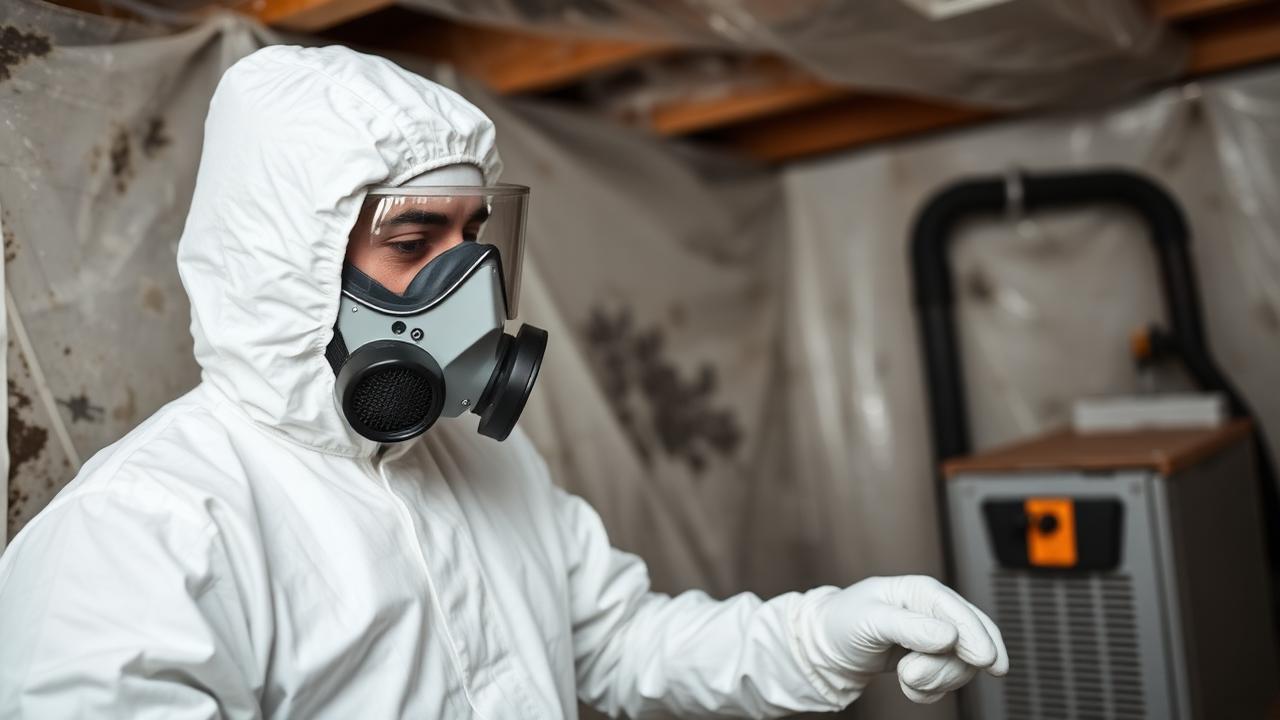
"Black water" is a job-site term rather than a term from the standard, but everyone in the trade knows what it means: sewage, flood water from outside, or water that has sat long enough to grow its own problem. The standard's word for it is Category 3, and that word changes the scope more than any other single decision on a water loss.
What counts as black water?
Water that is grossly contaminated and can carry harmful agents — sewage, water from beyond the trap, surface flooding, and rising ground water. It is contamination that defines it, not colour; plenty of Category 3 water looks like tap water in a bucket.
The formal definitions and the practical tests for each category are in the Category 3 water damage guide. If you are working out whether a loss has moved category, that page is the one to read before you write the scope.
Why is black water Category 3?
Because the risk being managed is exposure, and exposure cannot be dried out of a material. A Category 1 loss is a moisture problem you solve with airflow and dehumidification. A Category 3 loss is a contamination problem where drying is only the last step, after the contaminated material has gone.
That is the line most disputes turn on. Porous materials that absorbed contaminated water — carpet and pad, insulation, most gypsum board, particleboard, upholstered contents — are removed rather than dried, because nothing you spray on them makes the removal unnecessary. Antimicrobial products have a role, but the role is treating what remains after removal, never replacing it.
How does clean water become black water?
Time, temperature and what the water touches — a Category 1 loss does not stay Category 1 indefinitely. Water sitting in a warm building, running through contaminated building materials, or soaking into soiled carpet degrades, and the category follows the current condition rather than the original source.
This is why the arrival category is recorded as a moment, not a fact for the whole job. A supply-line break discovered on return from a two-week holiday is not the same loss as one called in within the hour, even though the pipe was the same pipe. Photograph what you found, write down when you found it, and re-evaluate if conditions change — a category upgrade mid-job is a legitimate, documentable event.
Test yourself
Category questions on the exam usually hinge on degradation over time, not on the original source. Answer the questions before you look anything up — the gap between what you can recall and what you can recognise is the gap that shows up on exam day.
What has to happen next?
Stop the source, restrict access, plan the removal, then dry what is left. Every one of those steps happens before an air mover is switched on, because moving air across contaminated material aerosolises exactly what you are trying to control.
The order of work in practice looks like this: identify and stop the source, make the area safe and restrict who enters it, extract the standing water with equipment dedicated to contaminated work, remove the affected porous materials with the cut lines documented, clean and treat the remaining surfaces, and only then set up the drying chamber. Where mold growth is already established rather than merely likely, the job has changed character again — the sister site's mold remediation certification covers the credential that work sits under, and the S520 standard is where its procedures come from.
What about protection and containment?
Personal protection and containment are chosen from the exposure risk, and they go in before the work starts, not once the smell gets bad. Skin, eye and respiratory protection, dedicated boots, and controlled entry and exit are the baseline for contaminated work.
Containment does two jobs on a black water loss: it keeps contaminated material and aerosols inside the work area, and it keeps occupants and unaffected contents out. Decontamination on exit is the part crews skip when they are tired, and it is the part that carries contamination into the clean half of the building. Build the exit sequence into the day rather than leaving it to discipline at 7pm.
What has to be in the file?
The category determination and the reasoning behind it, the removal scope, and the verification that what remained was cleaned and dried. A Category 3 file is read more carefully than any other kind of water loss file, because the invoice contains demolition.
Photograph the source and the standing water before extraction, the materials before and after removal, the cut lines, the cleaned surfaces, and the finished chamber. Then run normal drying documentation on what is left: daily psychrometrics, moisture points against a dry standard, equipment unit-days. The drying log template handles that record, and the restoration checklist keeps the removal sequence in the right order on site. For the underlying standard, read the ANSI/IICRC S500 overview.
New study material by email
New study guides, tools and practice questions, sent as they are published.
No spam. Unsubscribe anytime.
Related Articles
Ready to Pass the WRT Exam?
300+ practice questions, psychrometric calculators for drying, and study modules built by restoration pros.
Need the standard itself? Purchase the ANSI/IICRC S500 →