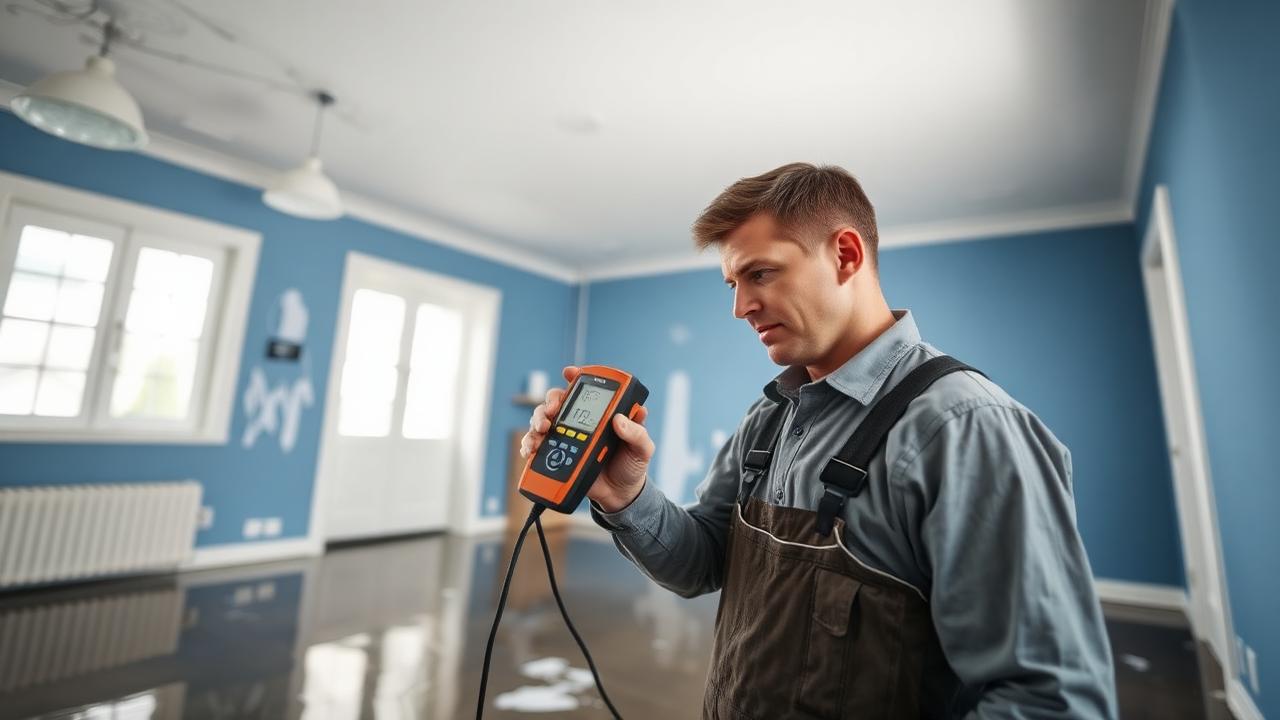
Good documentation is the difference between a smooth insurance claim and a disputed one. Adjusters don't just want to know that you dried the structure — they want proof that you followed the ANSI/IICRC S500 standard and that every decision was justified by data. Here's exactly what they're looking for.
Initial Loss Assessment
Your documentation starts the moment you arrive. Record the date and time of arrival, the source of water, the water category, and the class of water damage. Note the estimated time of loss — when the water intrusion actually began — because this affects category escalation decisions. Take wide-angle photos of every affected room before you touch anything.
Include a sketch or floor plan showing affected areas, moisture readings at key points, and where you plan to place equipment. Adjusters love floor plans because they can instantly verify scope.
Moisture Mapping and Daily Logs
This is where most technicians fall short. You need daily moisture readings at consistent locations using a calibrated moisture meter. Record temperature, relative humidity, and GPP readings in both the affected area and at least one unaffected area (your dry standard). Use our GPP calculator to verify your readings.
Document your drying goals — the target moisture content for each material type — and show daily progress toward those goals. When an adjuster sees a clear downward trend in moisture readings, they rarely question your timeline or equipment choices.
Equipment Inventory
List every piece of equipment on-site: air movers, dehumidifiers (type and capacity), air scrubbers, and any specialty equipment. Include serial numbers or unit IDs, placement locations, and the date each unit was placed and removed. The S500 has specific guidance on equipment ratios — adjusters know these ratios and will question over-placement.
Photo Documentation
Take photos at every stage: initial conditions, during extraction, equipment placement, daily progress, and final dry readings. Label photos with the room, date, and what they show. Include close-ups of moisture meter readings on screen. A timestamped photo of a meter reading on a wall is worth more than a paragraph of written description.
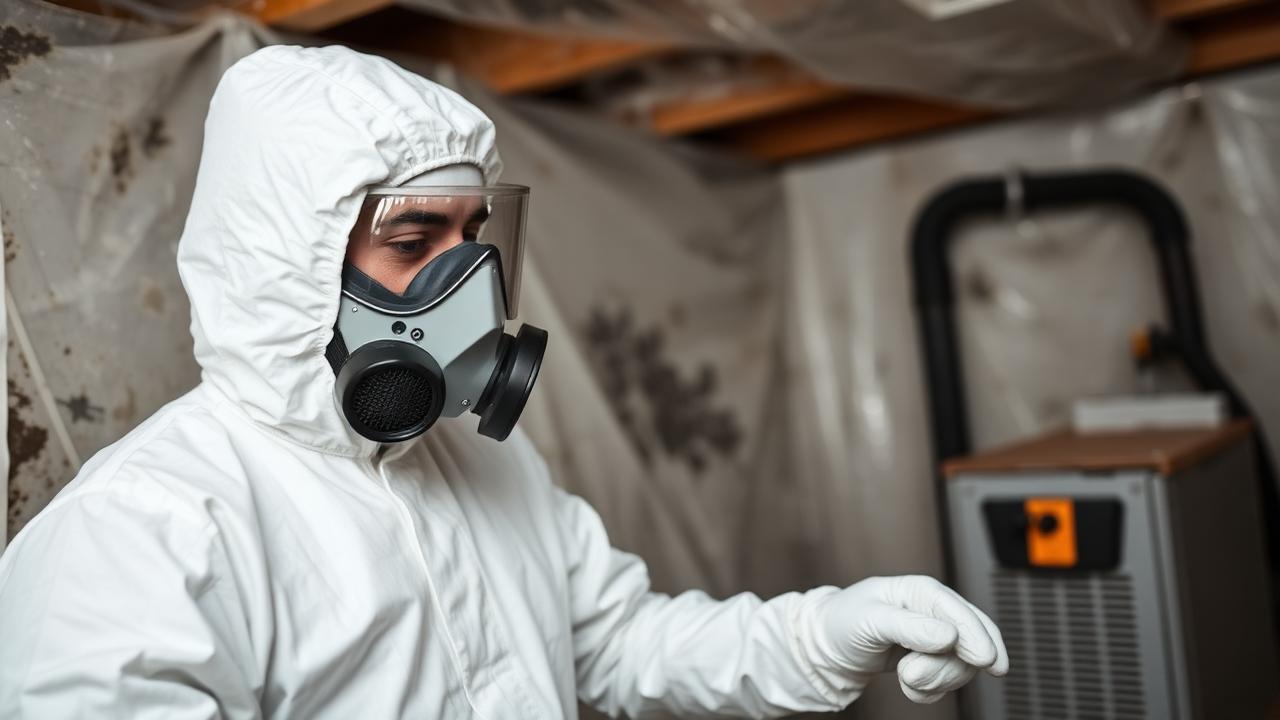
For Category 3 jobs, document your containment setup, PPE usage, and disposal of contaminated materials. Adjusters — and lawyers — want to see that you followed proper safety protocols.
If the photos, notes and final report for a job still live in three places, a restoration CRM like RestorationWorkflow, a sister product of this site, keeps them on one job record and drafts the report from it for you to review and edit. Whichever app you use, check it against what documentation software needs to do on a water loss.
Drying Completion and Sign-Off
When the structure reaches its drying goals, document final readings at every monitoring point. Compare final readings to your dry standard and initial readings. This "before and after" comparison is the most powerful evidence you can provide. Include a summary noting total drying days, equipment used, and any complications encountered.
Proper documentation protects you, speeds up claims, and builds your reputation with adjusters. For more on building your restoration career, see our career guide.
Test yourself
The quickest way to find out whether this stuck is to answer questions on it cold. Answer the questions before you look anything up — the gap between what you can recall and what you can recognise is the gap that shows up on exam day.
Test Your Knowledge
Try these practice questions related to this article.
1. What is the single most powerful piece of evidence you can provide an insurance adjuster?
2. Along with moisture readings, what should you record in the affected area and at least one unaffected area?
3. Why do insurance adjusters value floor plans in restoration documentation?
New study material by email
New study guides, tools and practice questions, sent as they are published.
No spam. Unsubscribe anytime.
Related Articles

Ready to Pass the WRT Exam?
300+ practice questions, psychrometric calculators for drying, and study modules built by restoration pros.
Need the standard itself? Purchase the ANSI/IICRC S500 →