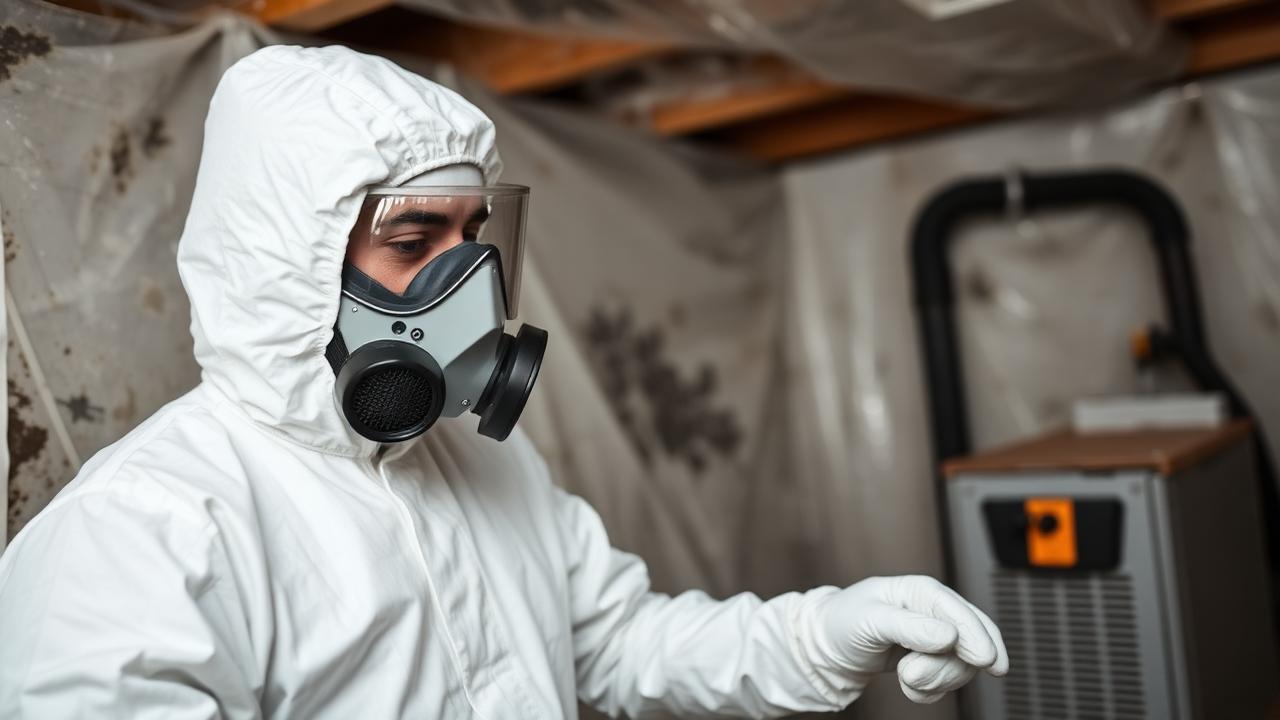
The EPA advises drying water-damaged areas and items within 24–48 hours to prevent mold growth. Every decision you make during that window — from extraction speed to dehumidifier selection — directly affects whether you'll be dealing with a simple drying job or a full mold remediation. The S500 and S520 standards lay out clear prevention guidelines.
The 24-48 Hour Window
Mold spores are everywhere — in the air, on surfaces, in building materials. They only need three things to colonize: moisture, a food source (organic material like drywall, wood, or carpet), and time. The EPA puts it plainly: if wet or damp materials or areas are dried 24–48 hours after a leak or spill happens, in most cases mold will not grow.
This is why emergency response time matters. The faster you extract standing water, set up drying equipment, and lower indoor humidity, the smaller the window for mold establishment.
Humidity Control Is Everything
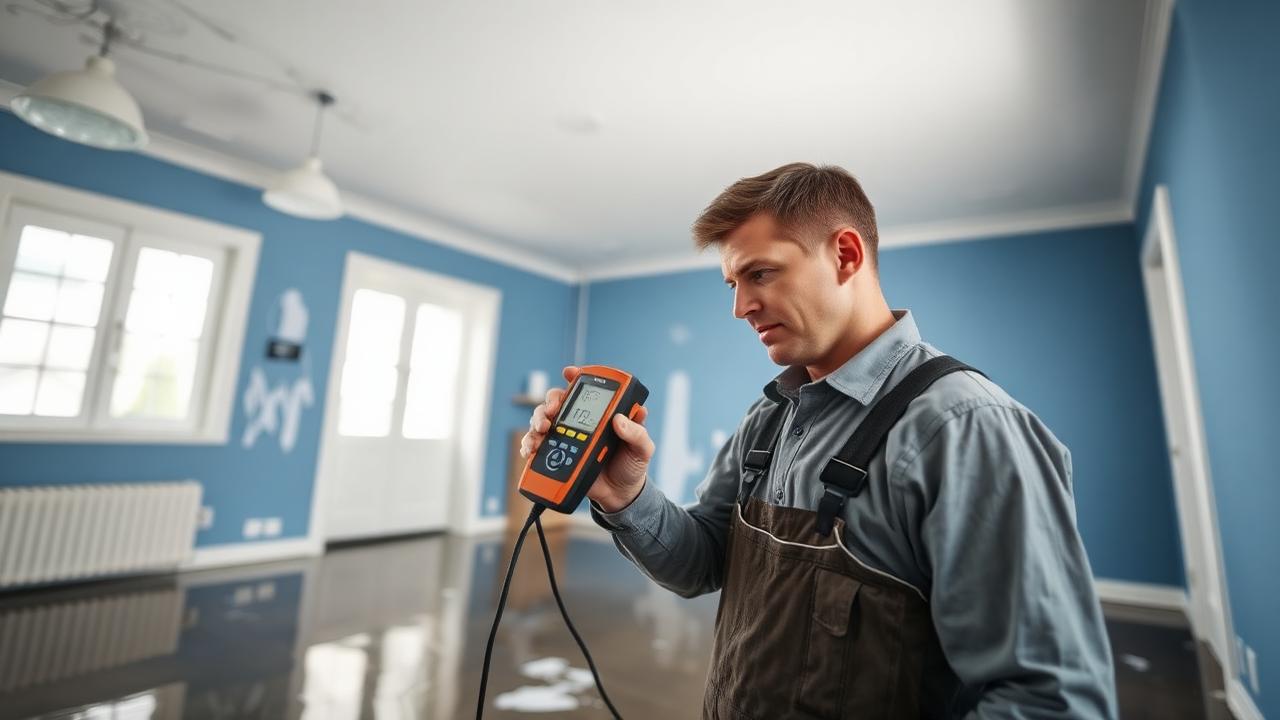
The EPA advises keeping indoor humidity below 60 percent relative humidity where possible, ideally between 30 and 50 percent. Lower still speeds up drying. Use GPP readings rather than RH alone to make drying decisions. Monitor with our GPP calculator to ensure your dehumidifiers are actually making progress.
Temperature also matters. Warmer air accelerates drying but also accelerates mold growth if humidity isn't controlled. The balance is maintaining enough heat to drive evaporation while running sufficient dehumidification to keep humidity in check.
When to Apply Antimicrobials
The S500 allows antimicrobial application when contamination is suspected or confirmed, particularly with Category 2 and Category 3 water. Apply EPA-registered antimicrobials to affected surfaces after extraction and before drying equipment is placed. Follow manufacturer instructions for contact time and application rate.
Important: antimicrobials are preventive, not remedial. If visible mold growth has already begun, you're past prevention and into remediation territory — follow the S520 standard and consider engaging a certified mold remediation specialist (AMRT).
Containment for High-Risk Situations
For Category 3 water or any situation where mold growth is suspected, set up containment barriers. Use polyethylene sheeting, negative air pressure, and HEPA-filtered air scrubbers to prevent cross-contamination. This is especially critical in occupied buildings where occupant health is a concern.
When to Call a Specialist
If visible mold covers more than 10 square feet, if occupants report health symptoms, or if wet materials were not dried within the 24–48 hours the EPA advises, bring in a certified mold remediation professional. The WRT certification covers prevention — remediation requires additional training and the AMRT credential.
Mold prevention is worth drilling before the WRT exam. Practice with our exam simulator and review the study modules on contamination and safety.
Test yourself
The quickest way to find out whether this stuck is to answer questions on it cold. Answer the questions before you look anything up — the gap between what you can recall and what you can recognise is the gap that shows up on exam day.
Test Your Knowledge
Try these practice questions related to this article.
1. What three things do mold spores need to colonize?
2. What containment setup does the post describe for Category 3 water or suspected mold?
3. When is antimicrobial application appropriate according to the S500?
New study material by email
New study guides, tools and practice questions, sent as they are published.
No spam. Unsubscribe anytime.
Related Articles

Ready to Pass the WRT Exam?
300+ practice questions, psychrometric calculators for drying, and study modules built by restoration pros.
Need the standard itself? Purchase the ANSI/IICRC S500 →