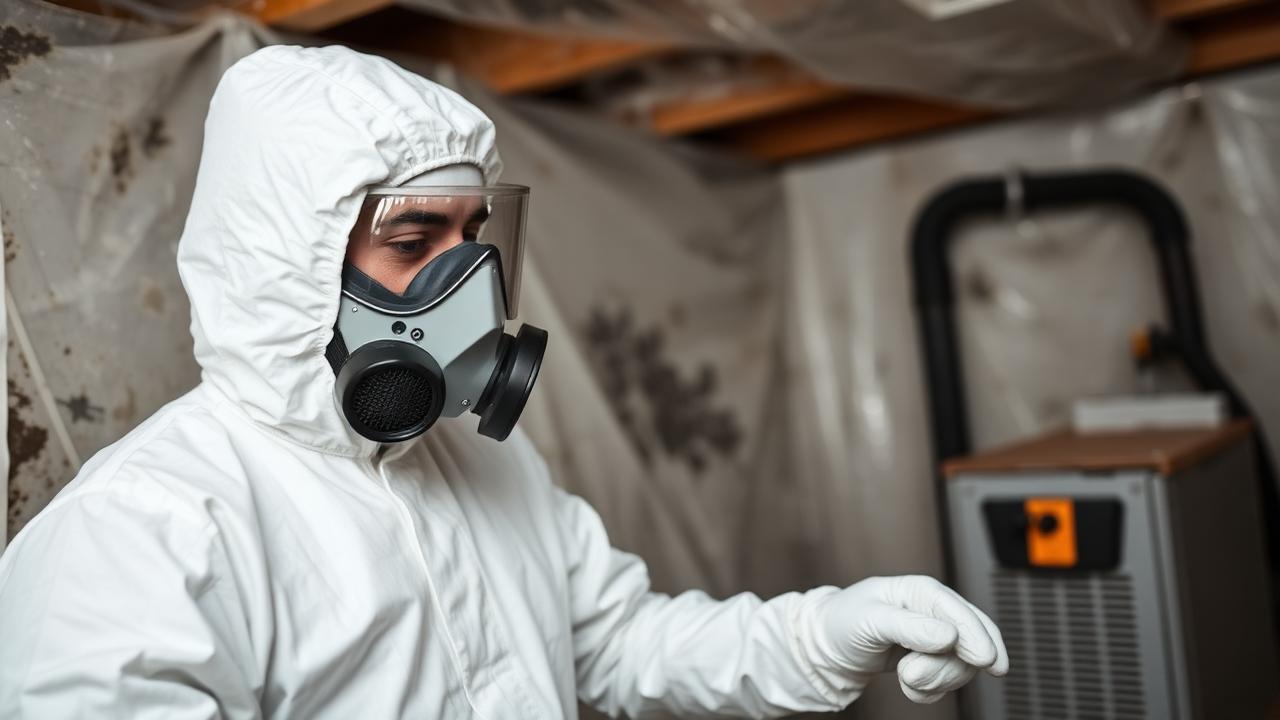
Personal protective equipment isn't optional in restoration — it's required by both OSHA regulations and the ANSI/IICRC S500 standard. The level of PPE you need depends on the water category and specific job conditions. Getting this right protects your health and keeps you compliant.
Category 1: Clean Water PPE
Even with clean water from a supply line break or appliance malfunction, you need basic protection:
- Gloves: Nitrile or latex — water may contact building materials containing lead paint, asbestos, or other contaminants
- Eye protection: Safety glasses when using extraction equipment
- Footwear: Waterproof boots with non-slip soles — electrical hazards are real in standing water
- Hearing protection: When running multiple air movers and dehumidifiers in enclosed spaces
Remember: Category 1 water can escalate to Category 2 or 3 as it degrades with time, temperature and contact with contaminants. Reassess your PPE if the job extends beyond the initial response window.
Category 2: Gray Water PPE
Gray water contains significant contamination. Add these to your baseline PPE:
- Heavy-duty gloves: Chemical-resistant gloves (not just nitrile)
- Respiratory protection: A respirator selected from the hazard assessment, especially in enclosed or poorly ventilated spaces
- Protective clothing: Water-resistant coveralls or Tyvek suit over work clothes
- Face shield: If there's any risk of splash during extraction
Category 3: Black Water PPE
Sewage, floodwater, and heavily contaminated water demand full protection:
- Full Tyvek suit: Disposable, with taped seams if possible
- Respiratory protection: Half-face or full-face respirator with P100 cartridges, selected from the hazard assessment and fit tested
- Chemical-resistant gloves: Extended cuff, over the Tyvek sleeves
- Rubber boots: Steel-toe, waterproof, decontaminated after each use
- Eye protection: Splash-proof goggles or full-face respirator
All PPE used on Cat 3 jobs should be decontaminated or disposed of properly. Never take contaminated PPE home or store it in your vehicle without bagging.
OSHA Requirements
OSHA 29 CFR 1910.132 requires employers to assess workplace hazards and provide appropriate PPE at no cost to employees. It also requires training on proper donning, doffing, and disposal, and for respirators OSHA 29 CFR 1910.134 adds that the employer selects them from an evaluation of the respiratory hazards and fit tests tight-fitting ones before first use and at least annually. As a technician, know your rights — your employer must provide the PPE, not just suggest you wear it.
On the WRT Exam
PPE by water category is worth drilling before the exam. Practice it as scenarios, such as: "A technician arrives at a sewage backup that occurred 12 hours ago. What PPE is required?" Know the category definitions, know the PPE for each, and you'll get these points. Study more with our study modules and exam tips from certified technicians.
Test yourself
The quickest way to find out whether this stuck is to answer questions on it cold. Answer the questions before you look anything up — the gap between what you can recall and what you can recognise is the gap that shows up on exam day.
Test Your Knowledge
Try these practice questions related to this article.
1. Under OSHA 29 CFR 1910.134, what has to happen before a technician wears a tight-fitting respirator on a Category 3 job?
2. Why wear gloves even on a Category 1 (clean water) job?
3. Who is responsible for providing PPE to restoration technicians?
New study material by email
New study guides, tools and practice questions, sent as they are published.
No spam. Unsubscribe anytime.
Related Articles

Ready to Pass the WRT Exam?
300+ practice questions, psychrometric calculators for drying, and study modules built by restoration pros.
Need the standard itself? Purchase the ANSI/IICRC S500 →