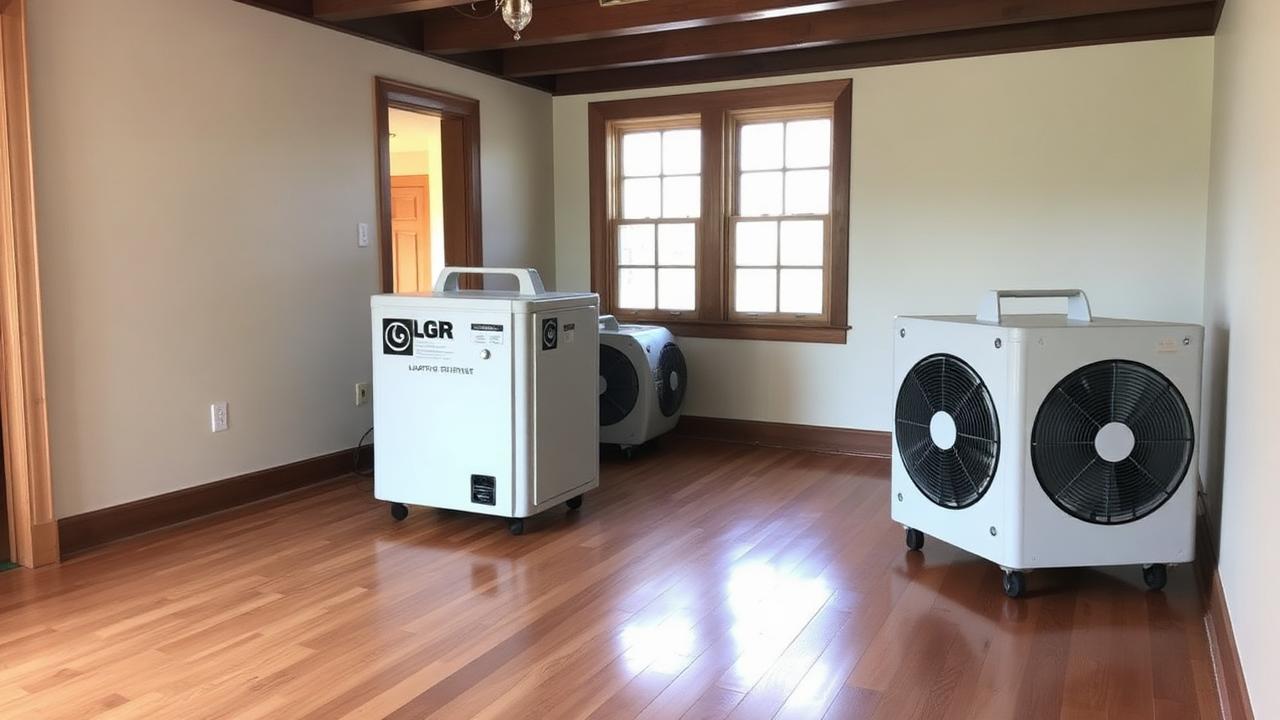
Nine out of ten residential water losses come down to this call: can we save the drywall, cut it, or tear it out? Getting it wrong costs you either a callback or a fight with the adjuster. Here's the framework aligned with the ANSI/IICRC S500.
Step 1: Categorize the Water
Every decision starts with water category. Cat 1 gives you the most restoration options; Cat 3 forces removal of most porous materials. If you're still fuzzy on the boundary, read Category 2 vs. Category 3 water before you touch a saw.
Step 2: Measure Moisture in a Grid
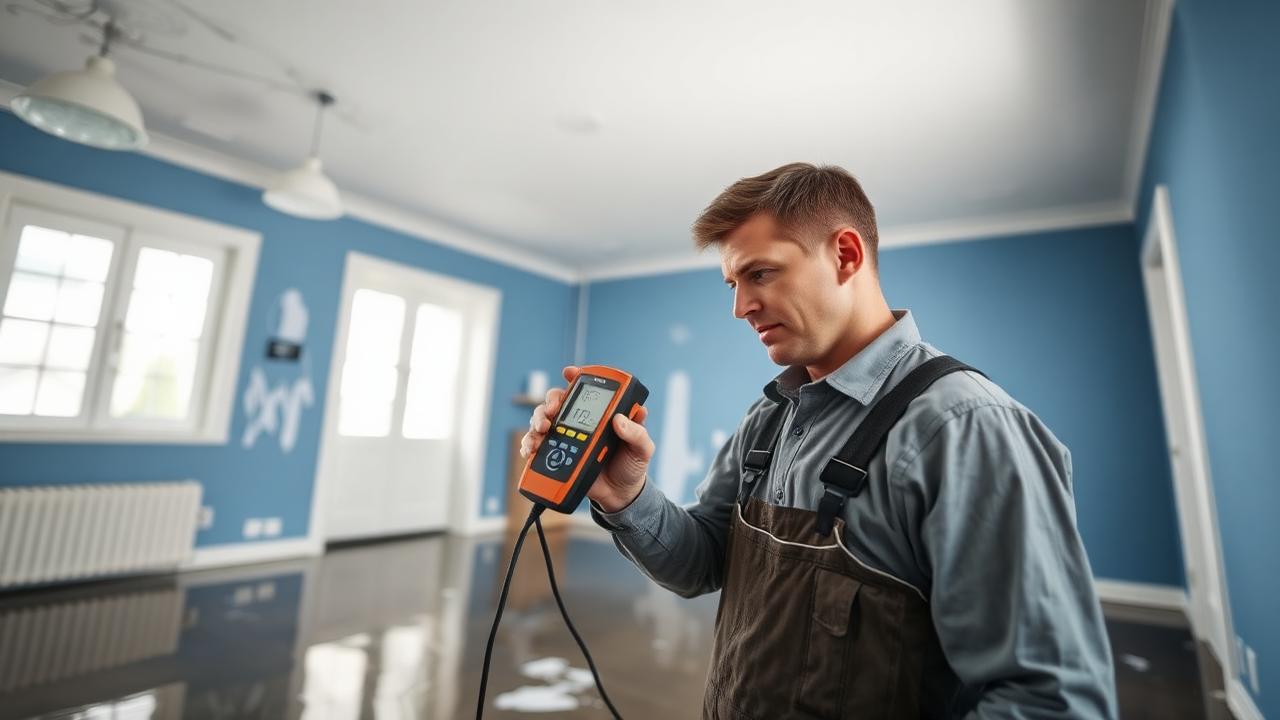
Take pinless readings every 16" along the wet wall, up to at least 24" above the tide line. Log both affected and unaffected reference readings on the same wall system — the S500 wants a defensible dry standard, not a guess. Not sure how? See how to read a moisture meter.
Step 3: Apply the Decision Tree
- Restore in place — Cat 1, insulation dry, wicking under 24", meter readings within 4 points of reference early in the drying.
- Flood cut (2 ft) — Cat 1 with wet cavity insulation, or Cat 2 with limited wicking. Removes the wet insulation while preserving upper wall.
- Full removal — Cat 3, mold present, or drywall shows structural failure (bulging, delamination).
Step 4: Document Everything
Adjusters push back on flood cuts more than any other line item. Photograph the meter reading, the tide line, and the reference reading side-by-side. Log it in your daily drying documentation. This is exactly the kind of judgment call the WRT exam tests with scenario questions.
The One Mistake Everyone Makes
Cutting before you've established the wet perimeter. Extract, take readings, THEN cut — otherwise you're guessing at the cut line and opening more wall than necessary. Related reading from IICRC: Water Damage Restoration Technician overview.
Test yourself
The quickest way to find out whether this stuck is to answer questions on it cold. Answer the questions before you look anything up — the gap between what you can recall and what you can recognise is the gap that shows up on exam day.
New study material by email
New study guides, tools and practice questions, sent as they are published.
No spam. Unsubscribe anytime.
Related Articles

Ready to Pass the WRT Exam?
300+ practice questions, psychrometric calculators for drying, and study modules built by restoration pros.
Need the standard itself? Purchase the ANSI/IICRC S500 →