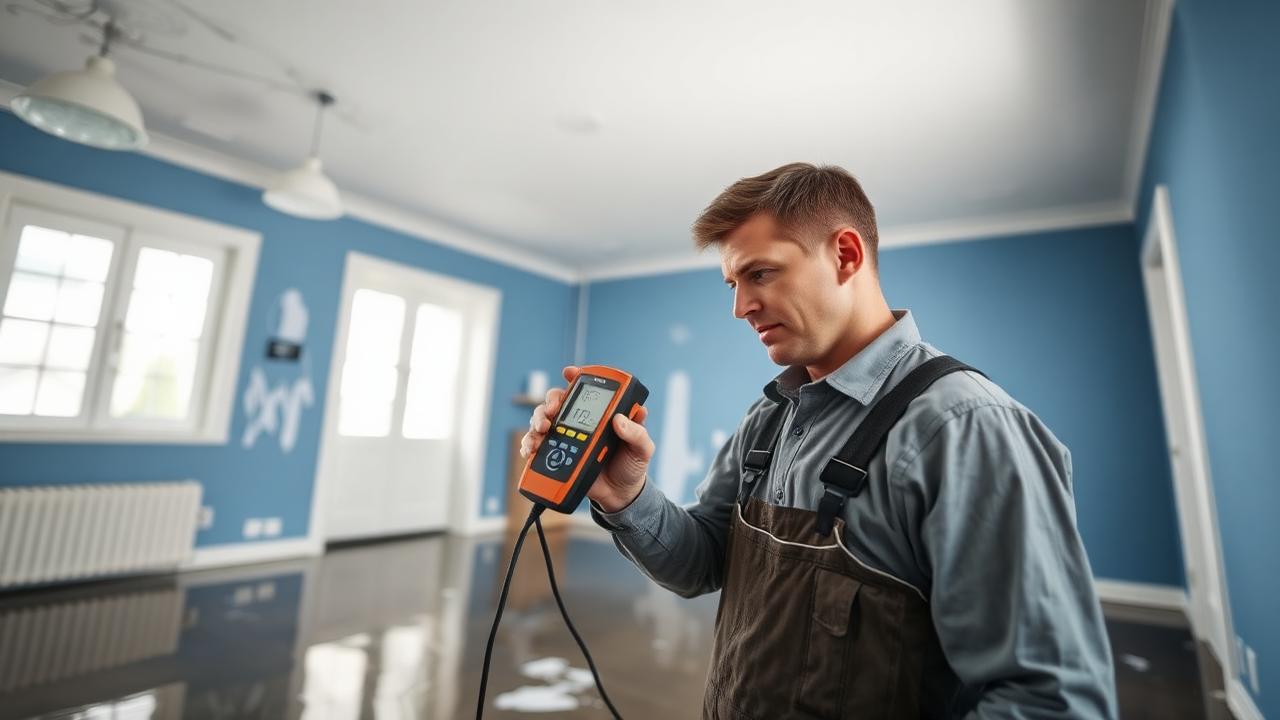
Insurance pays for water damage restoration on a line-item basis. If it's not documented, scoped, and coded correctly, you don't get paid — no matter how good the drying result. Here's what actually goes on a 2026 water-loss invoice and where new restorers most often leave money on the table.
The Estimating Platform Sets the Vocabulary
Most carriers require estimates in Xactimate, using WTR (water) line items. If your shop uses Symbility or CoreLogic, the concepts translate but the codes differ. Learn the vocabulary of whichever platform your TPAs require — see our Xactimate beginner's guide.
The Standard Water-Loss Line Items
A typical single-room Cat 1 residential loss will include:
- Emergency service call — one-time trip charge (WTR EMR)
- Water extraction — priced per SF of affected flooring (WTR EXTRACT)
- Content manipulation — moving furniture/contents to enable drying
- Air mover day-rate — per unit per day
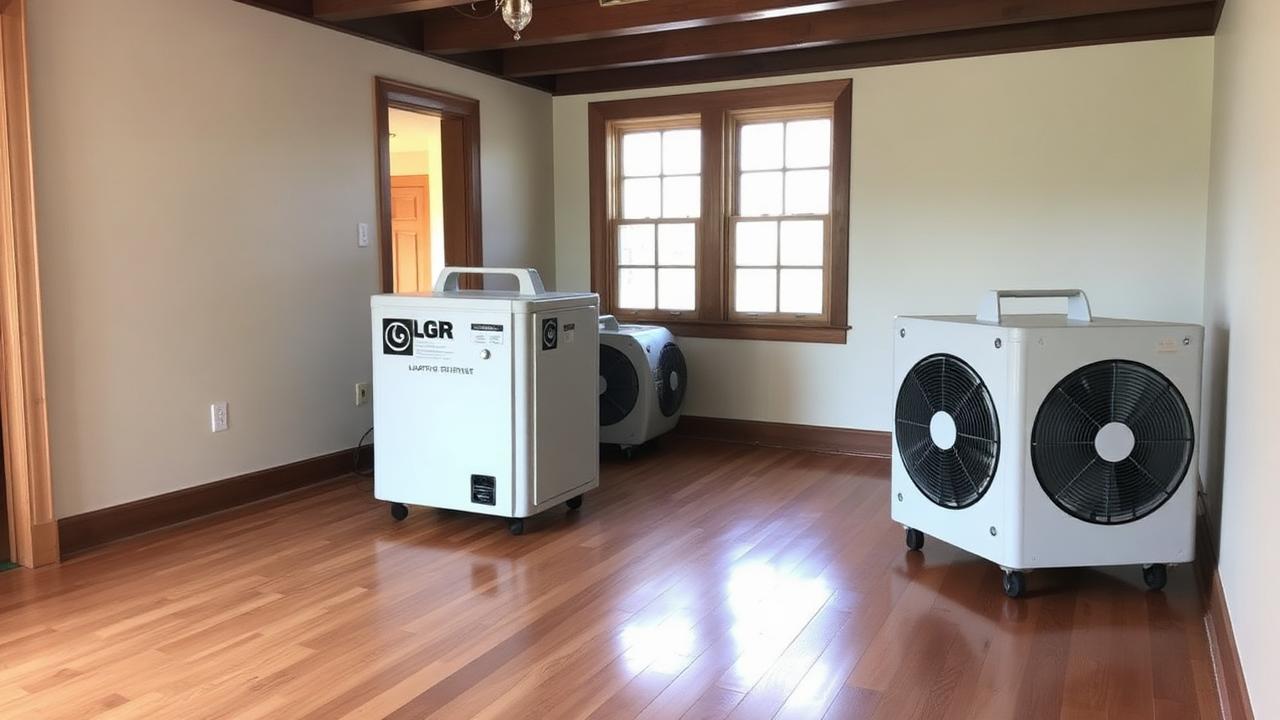
- Dehumidifier day-rate — refrigerant vs LGR priced differently
- Air scrubber / AFD day-rate — when containment is deployed
- Antimicrobial application — per SF, product-specific
- Moisture monitoring visits — per trip after the initial setup
- Containment poly and setup labor — per LF or SF
- Demolition line items — drywall flood cut, base removal, carpet/pad removal
- Disposal / dumpster / haul-off
- PPE consumables — Cat 2/3 only, itemized per event
Where People Under-Bill
- Content manipulation. Adjusters routinely approve it, but only if you list what was moved and photograph it.
- Post-remediation verification. The final read-out visit is a separate line item, not "included."
- PPE on Cat 3. Every Tyvek suit, respirator cartridge, and pair of gloves is billable. Don't eat it.
- Overtime / after-hours mobilization. Priced higher and specifically approved by most carriers for first response.
Where Bills Get Kicked Back
- Equipment left running past dry. If your monitoring log shows MC at dry standard on day 3 but equipment ran to day 5, expect a chargeback. Read on drying goals.
- Unjustified equipment counts. The S500 provides a per-SF calculator for air movers and dehus — deviate up without justification and it's cut.
- Missing moisture map / daily log. No documentation = no payment. Full stop.
- Category upgrades without written declaration. If you invoice as Cat 3, the file must contain the reasoning.
Get the Documentation That Gets You Paid
Every job file should include, at minimum: signed authorization to perform emergency services, moisture map, daily monitoring log with photos, equipment log, dry certificate, and (for Cat 2/3) materials-authorization form and antimicrobial SDS. Full documentation guide here.
A signed proposal that locks the agreed scope — the proposal builder in RestorationWorkflow, a sister product of this site, sends one for e-signature and locks the signed version — is what stops the scope and the bill drifting apart.
Rate of Pay in 2026
2026 average national rates for reference (varies significantly by market):
- Air mover: $27–$35 / day
- Refrigerant dehu: $75–$95 / day
- LGR dehu: $110–$140 / day
- Air scrubber: $85–$105 / day
- Water extraction: $0.85–$1.20 / SF
Your local Xactimate pricing database is the source of truth for your ZIP.
Pricing accuracy scales your business as much as drying accuracy does. Both start with the S500 discipline you'll drill in our Documentation topic quiz.
Test yourself
The quickest way to find out whether this stuck is to answer questions on it cold. Answer the questions before you look anything up — the gap between what you can recall and what you can recognise is the gap that shows up on exam day.
New study material by email
New study guides, tools and practice questions, sent as they are published.
No spam. Unsubscribe anytime.
Related Articles

Ready to Pass the WRT Exam?
300+ practice questions, psychrometric calculators for drying, and study modules built by restoration pros.
Need the standard itself? Purchase the ANSI/IICRC S500 →