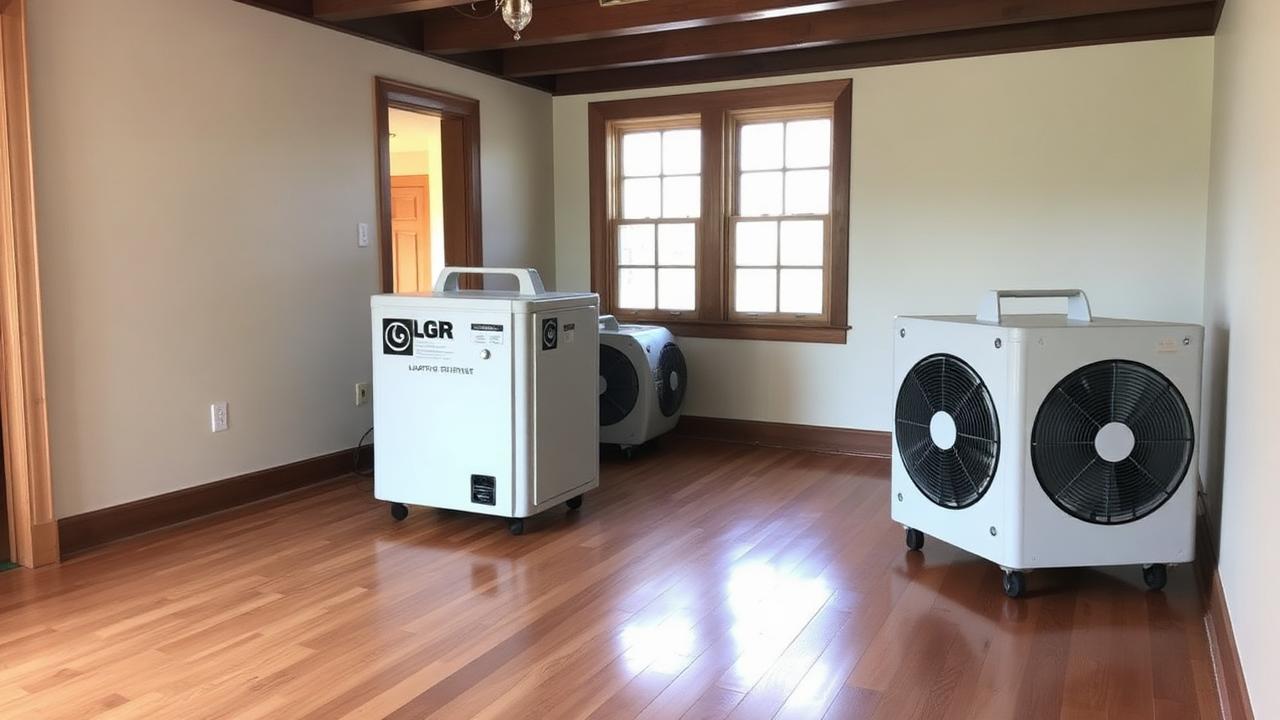
The single most common S500 violation on residential water losses isn't PPE or documentation — it's setting a drying goal by feel. The standard is explicit: your dry standard must be based on measurable readings from unaffected materials of the same type, at the same location, before you can call the job dry.
What the S500 Actually Requires
Per Chapter 10 of the S500, a drying goal is a documented, material-specific target derived from reference readings taken from unaffected areas of the same structure. That means:
- Same material (2x4 stud vs OSB sheathing are not the same)
- Same species where applicable (Douglas fir vs SPF pine read differently)
- Same environmental exposure (exterior wall vs interior partition)
- Documented before the drying plan is finalized
The Reference Reading Workflow
On day one, before you deploy a single air mover:
- Identify each affected material class (drywall, wood-framed stud, hardwood floor, subfloor, etc.)
- Find the same material outside the affected zone — an adjacent room, upper floor, or exterior soffit
- Take 3 pin readings per material and average them. That average becomes your dry standard.
- Log the reading location and material in your moisture map.
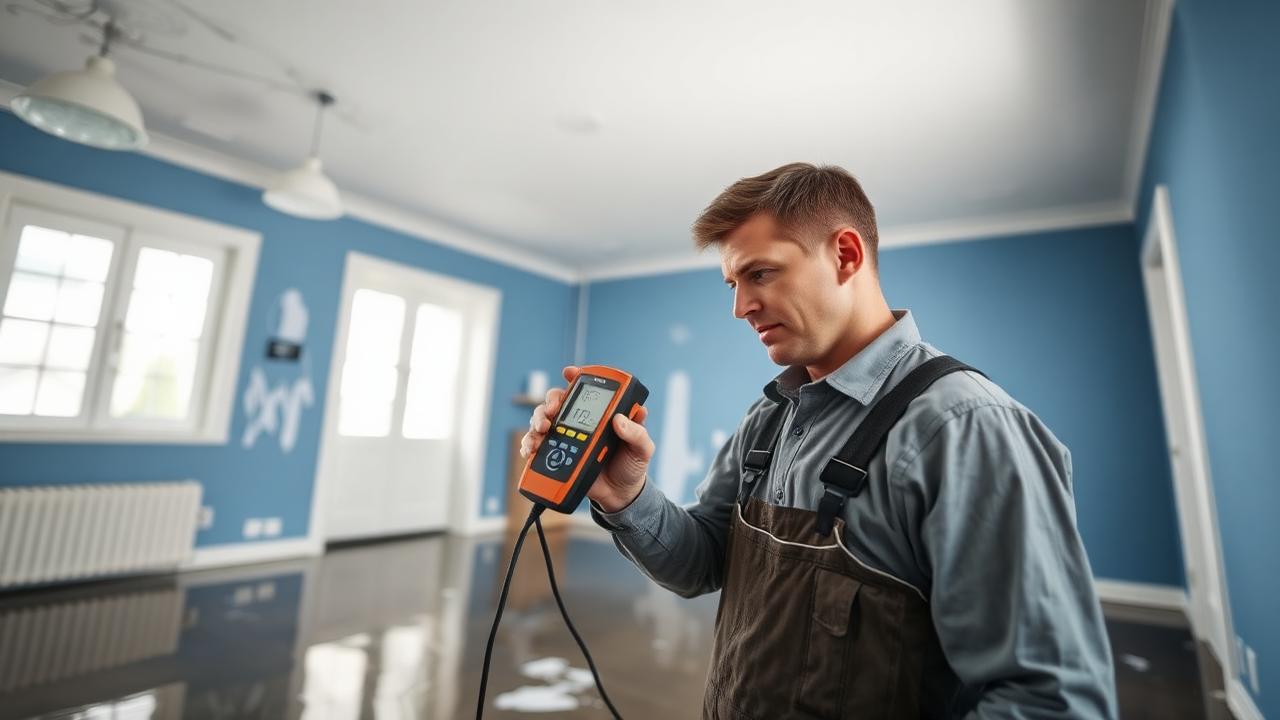
Use a calibrated pin meter for wood, pinless for finished surfaces. See our moisture meter reading guide for material-specific technique.
Class of Loss Sets Your Rate Expectation
The S500 water class tells you how many air movers and dehus to deploy, and — more importantly — how quickly you should expect readings to drop. Class 2 jobs should show measurable movement between the first readings. If your readings are flat, your equipment sizing is wrong or you have a hidden moisture source. Recheck before you burn a second day.
Daily Monitoring: The Log That Wins Adjuster Approval
Every day, at the same time, record:
- Inlet and outlet GPP on each dehumidifier
- Room dry-bulb temperature and RH
- Moisture content at every mapped monitoring point
- Notes on any equipment moved or added
Photograph each meter reading with the location visible in frame. This is the single easiest habit to build and the one that most reliably makes claims pay on time. More on adjuster-ready documentation.
Common Mistakes That Cost You Days
- Using generic "dry standards" (e.g. "wood is dry at 15%"). The S500 explicitly rejects generic targets — you must measure the actual building.
- Skipping reference readings until day two. By then materials near the loss are affected and your reference is compromised. Always take references on day one.
- Assuming visible dryness = dry. Wood surface moisture equilibrates with air long before the interior does.
Practice on the Real Numbers
Dry-standard logic is worth drilling before the WRT exam. Our Documentation topic quiz drills the exact scenarios adjusters call about — and the psychrometric calculator gives you real-time GPP for the daily log.
Test yourself
The quickest way to find out whether this stuck is to answer questions on it cold. Answer the questions before you look anything up — the gap between what you can recall and what you can recognise is the gap that shows up on exam day.
New study material by email
New study guides, tools and practice questions, sent as they are published.
No spam. Unsubscribe anytime.
Related Articles
Ready to Pass the WRT Exam?
300+ practice questions, psychrometric calculators for drying, and study modules built by restoration pros.
Need the standard itself? Purchase the ANSI/IICRC S500 →