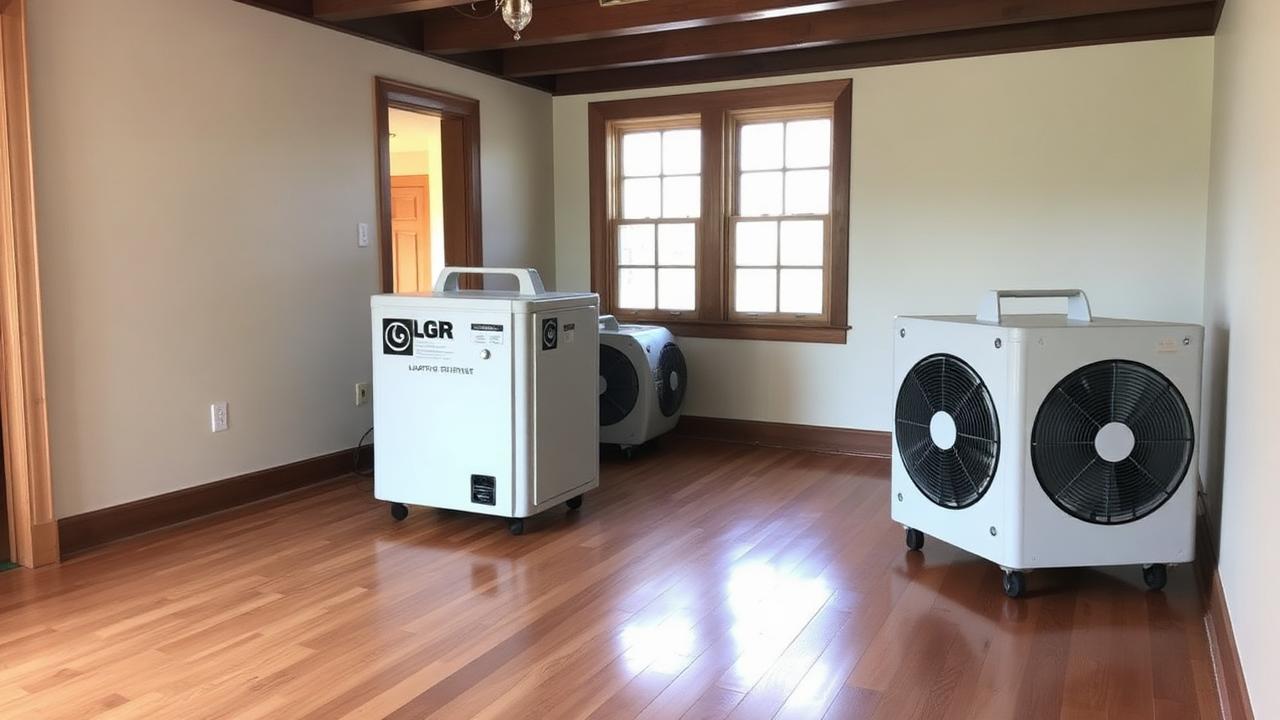
Nothing turns a routine Cat 1 loss into a $30,000 claim faster than a wrecked hardwood floor. Wood is hygroscopic — it swells and shrinks with moisture — which means the sequence of moves in the first 24 hours determines whether the floor recovers or gets torn up. This is the playbook we teach.
Timber floor drying
Timber floor drying is the name used outside the US for what this post calls drying hardwood floors, and the same rules apply whichever term is on the job sheet. Take reference readings from unaffected flooring first, pick mat or tented drying based on the finish, keep the room warm and dry, and log readings daily until the boards meet the dry standard. The wood behaves the same way whatever it is called — dense and slow to give up water — which is why it belongs with the slow-drying materials that set the pace on any loss.
First: Is It Even Dryable?
Ask three questions before you plan a drying strategy:
- Species and construction: solid ¾" hardwood over subfloor is usually dryable. Engineered flooring with fiberboard core almost never is.
- Finish: polyurethane surface finish traps moisture — you'll need a mat system that pulls from below.
- Duration of exposure: the longer water sits, the more likely it has penetrated to the subfloor. Recovery is possible but longer.
If the finish has already gone white or the boards have measurable cupping, drying may still succeed but expect refinish costs on top.
Reference Readings — Non-Negotiable
Before deploying anything, take pin readings in an unaffected room of the same flooring. That average is your dry standard. Skipping this step is the #1 reason hardwood claims get denied. See our full drying goals guide.
Mat Drying vs Tented Drying
Two S500-recognized approaches:
Mat drying systems (Injectidry, Phoenix HydroX) create a negative-pressure vacuum on the surface of the boards, pulling moisture out from the top down. Best for polyurethane-finished floors where surface drying alone can't reach the subfloor. Expect a multi-day job, and let the daily readings set the finish.
Tented drying uses low-profile poly tents over the affected area with heated, low-GPP air pumped in. Works well on unfinished or oil-finished wood. Faster than mats when finish permits.
The Air Side: Warm, Dry, Fast
Whichever surface strategy you pick, the room-side environment matters just as much:
- Target 70–80°F room temperature — warmer air holds more moisture and accelerates the drive
- Keep room GPP as low as the equipment can hold it —psychrometry refresher
- Deploy at least one LGR dehumidifier per 500 ft² of tented area
- Air movers around the perimeter, not on top of the tent
Monitor Daily, and Believe the Numbers
Log MC readings at 6+ points daily, including boards you didn't map on day one (moisture migrates). If readings stay flat with a mat system running, suspect the seal — check gasket integrity before you add equipment.
When to Recommend Replacement
Have the "replacement" conversation early if:
- Cupping is still severe after several days of drying
- Boards show black staining (tannin extraction won't refinish out)
- Engineered product with fiberboard core is involved
- Category 2 or 3 water contacted the subfloor
Being straight with the homeowner and the adjuster early builds the trust that gets you referrals. Trying to save an unsalvageable floor to keep the invoice up almost always backfires.
Documentation
Photograph the meter with each daily reading, log tent seal condition, and photograph dehu inlet/outlet GPP daily. Full adjuster-ready documentation guide.
Wood floor questions are among the trickiest on the WRT exam because they combine psychrometry, material science, and Category logic. Drill them with our Drying Principles topic quiz.
Test yourself
The quickest way to find out whether this stuck is to answer questions on it cold. Answer the questions before you look anything up — the gap between what you can recall and what you can recognise is the gap that shows up on exam day.
New study material by email
New study guides, tools and practice questions, sent as they are published.
No spam. Unsubscribe anytime.
Related Articles

Ready to Pass the WRT Exam?
300+ practice questions, psychrometric calculators for drying, and study modules built by restoration pros.
Need the standard itself? Purchase the ANSI/IICRC S500 →