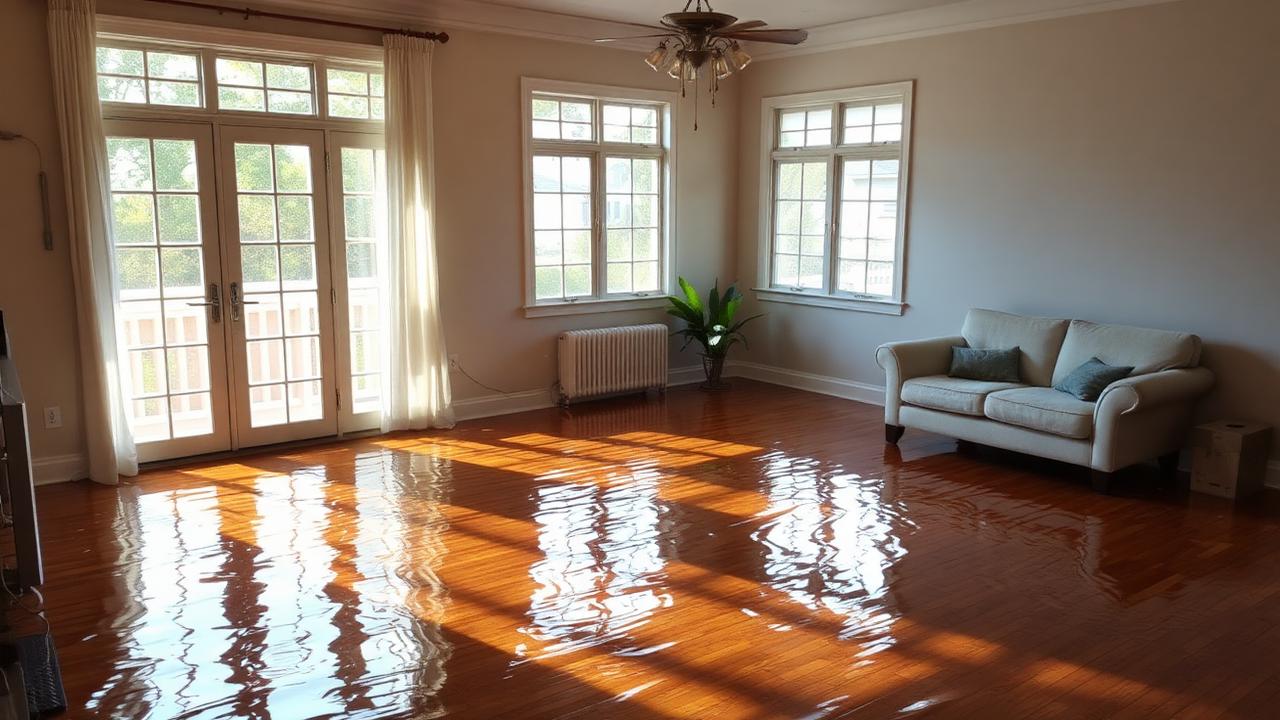
Crawl spaces are where undetected leaks turn into microbial jobs. Standing water, ground contact, poor ventilation, and organic material make crawls high-risk for Cat 3 escalation. Here's the workflow aligned to the ANSI/IICRC S500.
Assess Before You Enter
- Check for standing water depth and any sewage-line proximity.
- Look for existing microbial growth on joists (already a Cat 3 environment).
- Test for combustible gases if a water heater or furnace is in the crawl.
Full PPE is not optional here — see essential PPE for water restoration. Follow OSHA confined-space guidance if entry conditions warrant it.
Extraction
Truck-mount extractors with long hose runs are usually the fastest way to remove standing water from a crawl. Portable extractors work but require frequent dumping. Pump out first, then use a rover or wand for residual.
Drying Strategy
- Ventilate to outside if outdoor GPP is lower than crawl GPP — otherwise you're pushing wet air into the crawl.
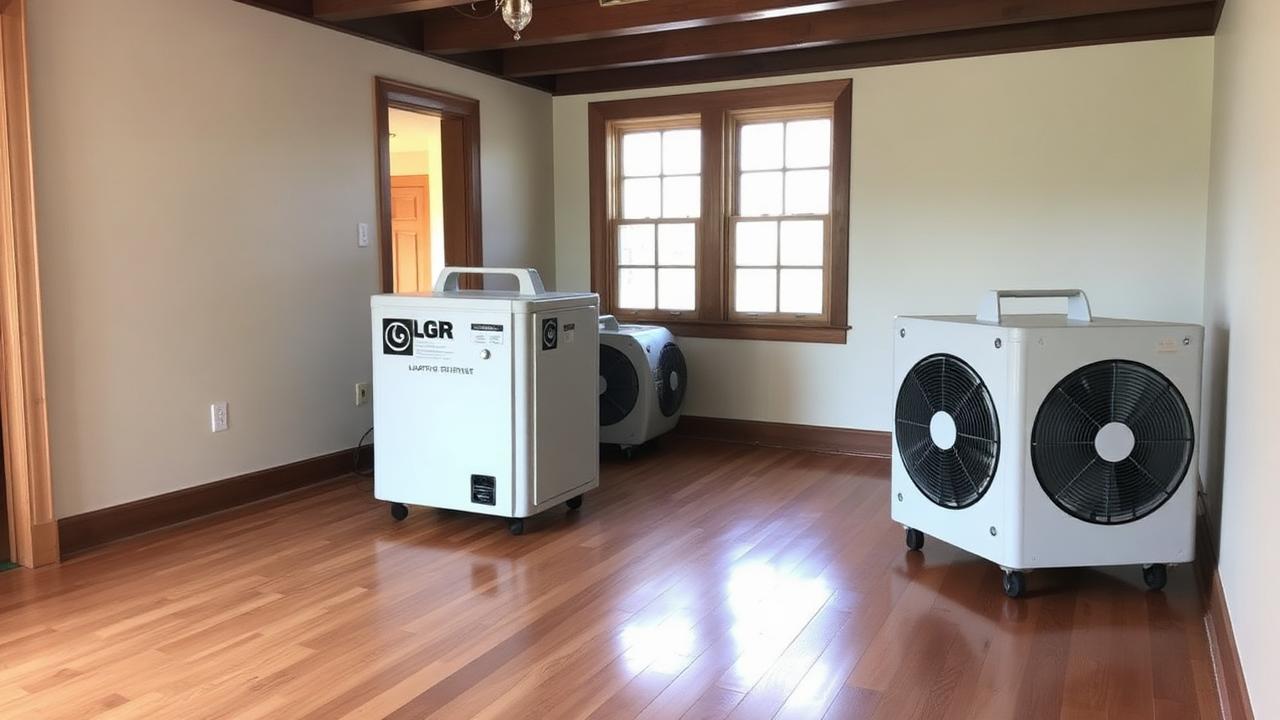
- Deploy at least one LGR dehumidifier ducted into the crawl. Standard refrigerant units struggle at typical crawl temps.
- Air movers point along the length of the crawl, not at joists directly (which promotes uneven drying).
What to Save vs. Toss
Vapor barriers over dirt = replace. Wet cellulose insulation = remove. Fiberglass batts — depends on category and saturation. Anything organic and Cat 2+ = toss.
Documentation
Photograph before extraction, after extraction, and daily during drying. Log GPP and RH readings in both the crawl and the living space above. If mold is discovered mid-job, stop work and get written scope authorization — an S520 mold protocol may apply.
Crawl space scenarios show up on the WRT exam — usually as containment and category questions. Practice with our exam simulator.
Test yourself
The quickest way to find out whether this stuck is to answer questions on it cold. Answer the questions before you look anything up — the gap between what you can recall and what you can recognise is the gap that shows up on exam day.
New study material by email
New study guides, tools and practice questions, sent as they are published.
No spam. Unsubscribe anytime.
Related Articles
Ready to Pass the WRT Exam?
300+ practice questions, psychrometric calculators for drying, and study modules built by restoration pros.
Need the standard itself? Purchase the ANSI/IICRC S500 →